Key Takeaways
- Regular physical movement, even light activity, can support brain health over time.
- Social connection plays a big role in keeping the mind sharp and the mood lifted.
- Creative outlets like art, music, and puzzles offer gentle, enjoyable mental engagement.
- Memory care programs use structured routines and sensory activities to support daily function.
- The right senior living environment can make staying active feel natural and easy.
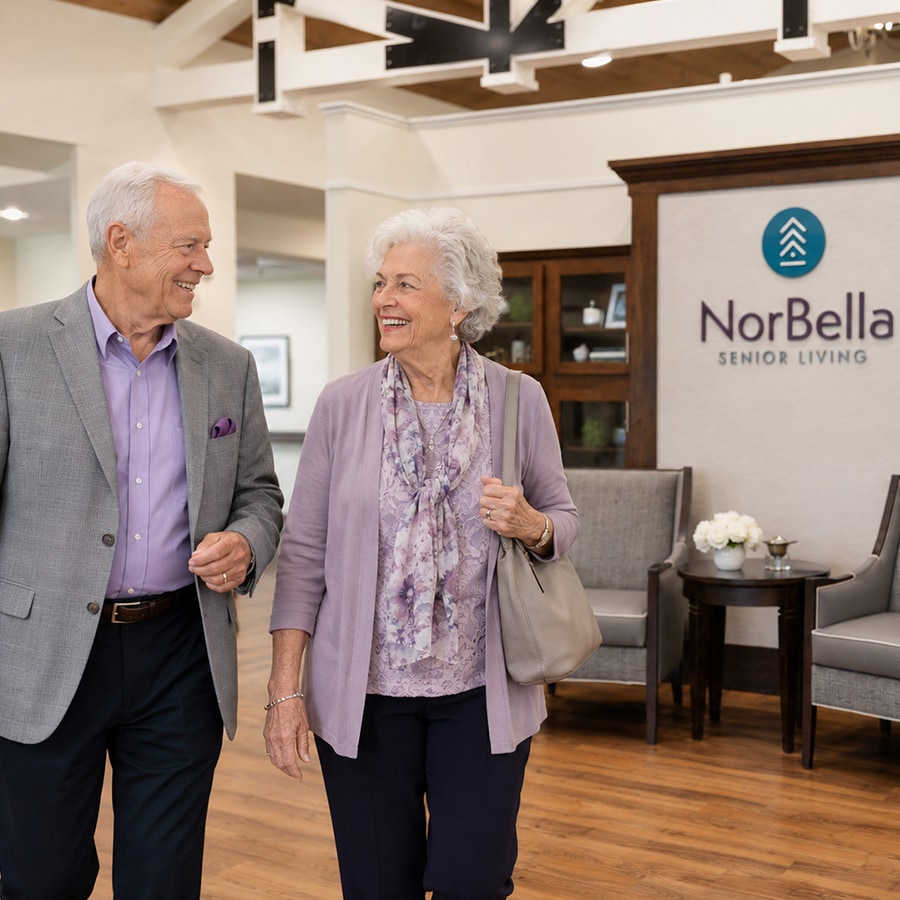
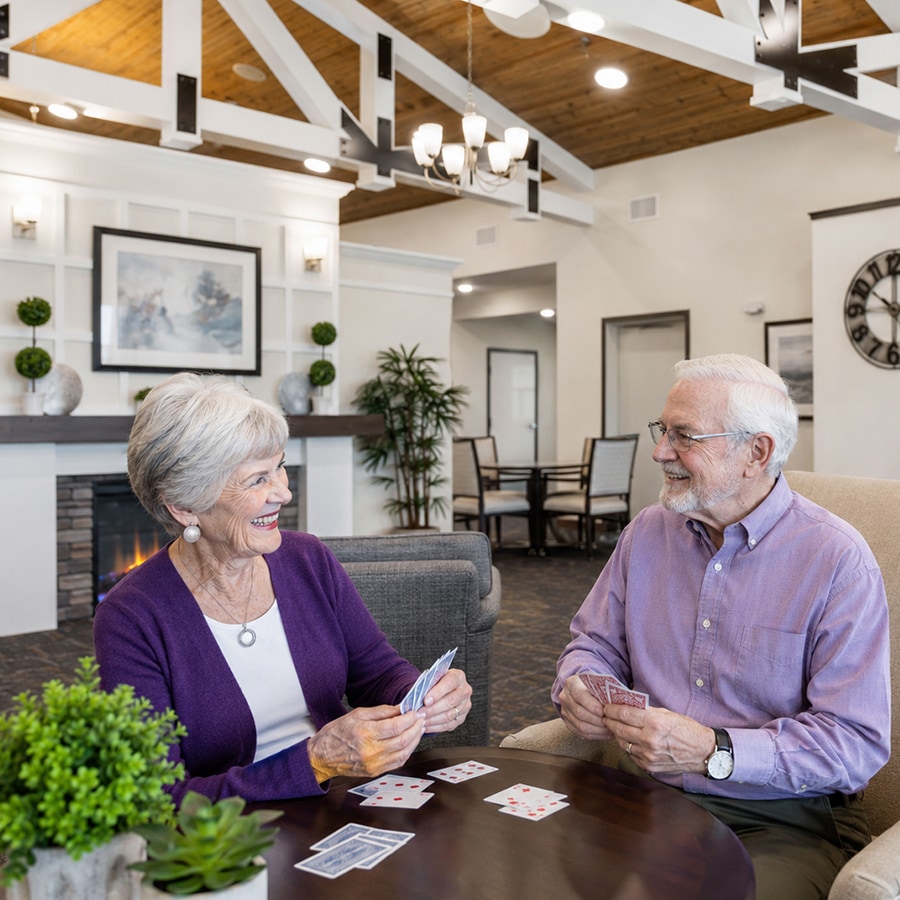
Smiling older adult enjoying a light daily activity, representing brain health and vitality in senior living.
Why the Brain Loves a Little Daily Action
You might not think twice about your morning walk or an evening card game, but those small moments matter more than you’d expect. Keeping the mind and body engaged on a regular basis can have a real impact on how you think, feel, and remember as you age. NorBella Senior Living at Centerville understands that deeply, which is why daily engagement is woven into every part of community life.
Staying mentally and physically active through daily habits is one of the most meaningful ways to support cognitive health in older adults. It doesn’t take a dramatic lifestyle overhaul. Small, consistent choices build up over time, and the right environment, like NorBella Centerville, can make all the difference in sticking with them.
Physical Activities That Boost Brain Health
Movement and Cognitive Function
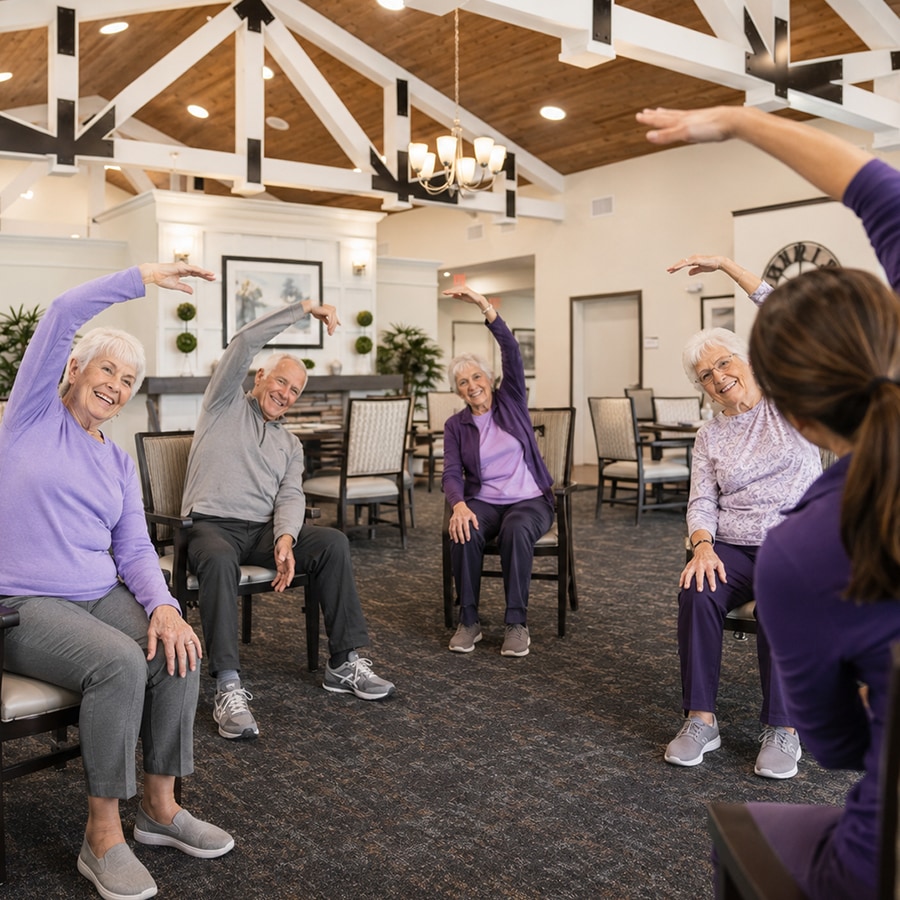
There’s a strong connection between moving your body and keeping your mind sharp. Even gentle activity like a short walk, light stretching, or a few minutes of chair yoga can help support memory, focus, and mood. Your body and brain are more connected than they might seem.
Low-impact options like tai chi are especially popular because they combine slow, intentional movement with focus and balance. Group fitness classes add a social layer on top of the physical benefits, giving you a reason to show up and someone to show up with. That combination of movement and connection is a powerful thing.
How Senior Living Supports an Active Lifestyle
One of the quiet advantages of assisted living is how much easier it becomes to stay active. On-site programs bring movement to your doorstep, so there’s no need to drive across town or figure out a schedule on your own. It’s all there, ready when you are.
Structured daily programs also help build the kind of routine that makes healthy habits stick. When movement is part of the rhythm of your day, it stops feeling like an effort and starts feeling like just what you do. Personalized care plans can even include physical wellness goals tailored to where you are right now.
Social and Creative Activities for a Sharper Mind
The Role of Social Connection
Loneliness doesn’t just affect how you feel, it can affect how you think. Meaningful relationships and regular conversation help keep the brain active in ways that solo activities simply can’t replicate. Staying socially connected is one of the more overlooked pieces of cognitive wellness.
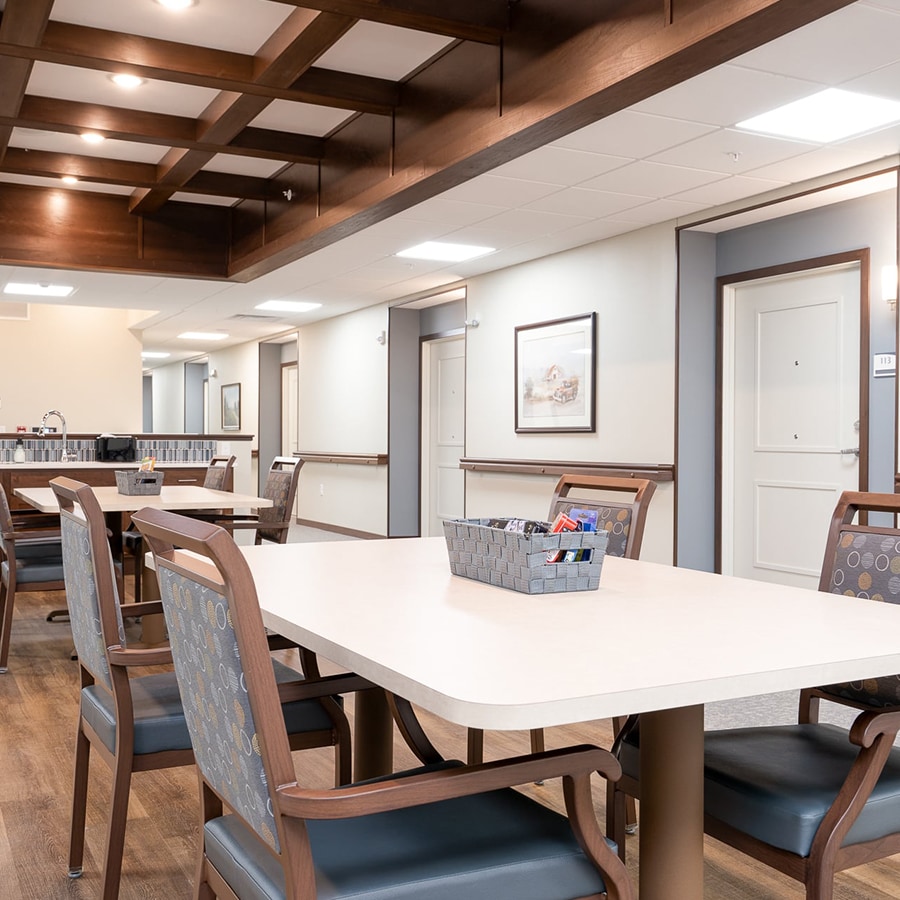
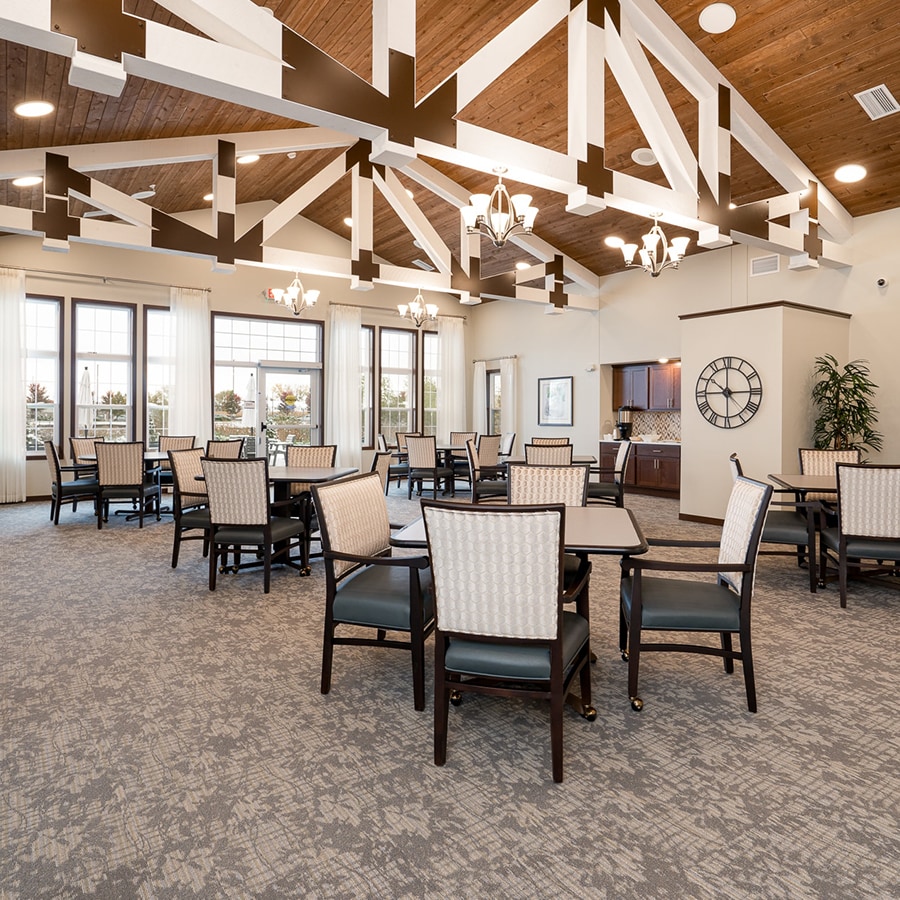
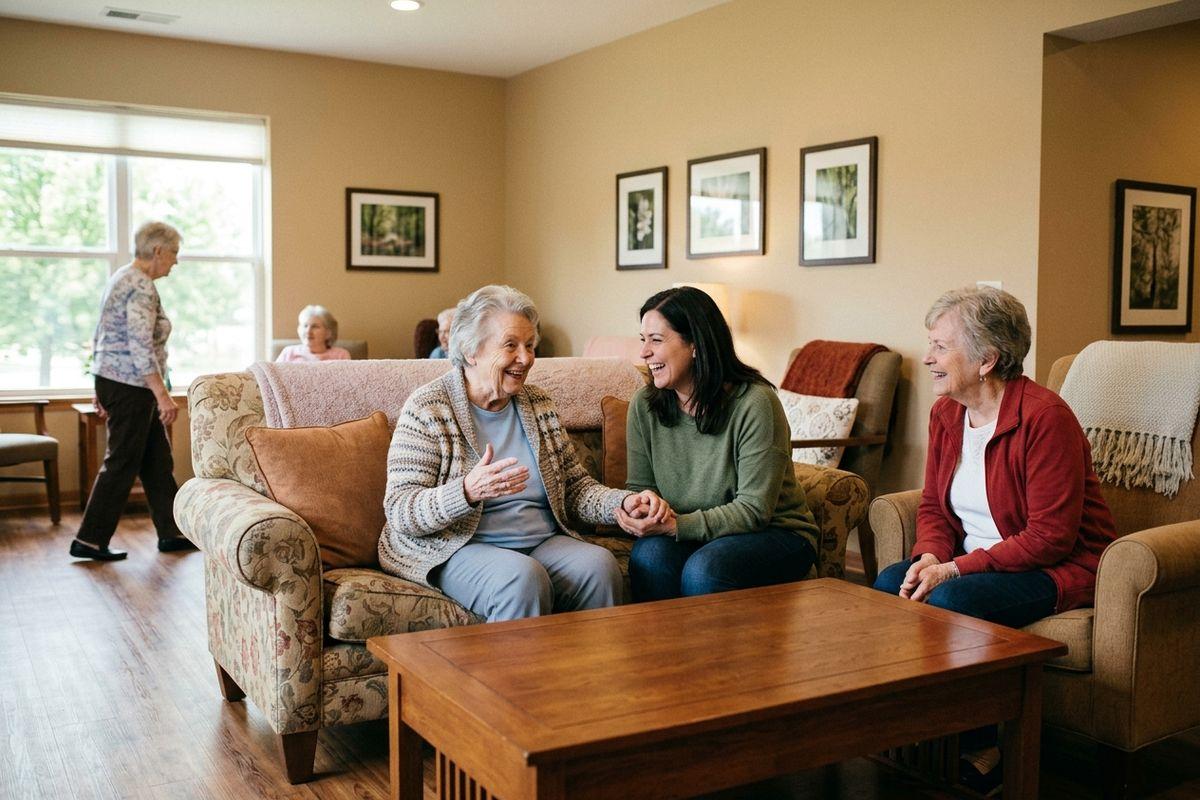
Memory care communities are built with this in mind. Residents have regular opportunities to connect with neighbors, share meals, and take part in group activities throughout the day. That built-in social network can feel like a genuine gift, especially for families who’ve watched a loved one become more isolated at home.
Creative Outlets Worth Exploring
Art, music, and storytelling light up parts of the brain that everyday tasks don’t always reach. Painting a simple scene, singing along to a familiar song, or sharing a memory from years past can spark engagement in ways that feel natural and enjoyable rather than like work. Arts activities like community singing and theater can help reduce loneliness and increase social engagement.
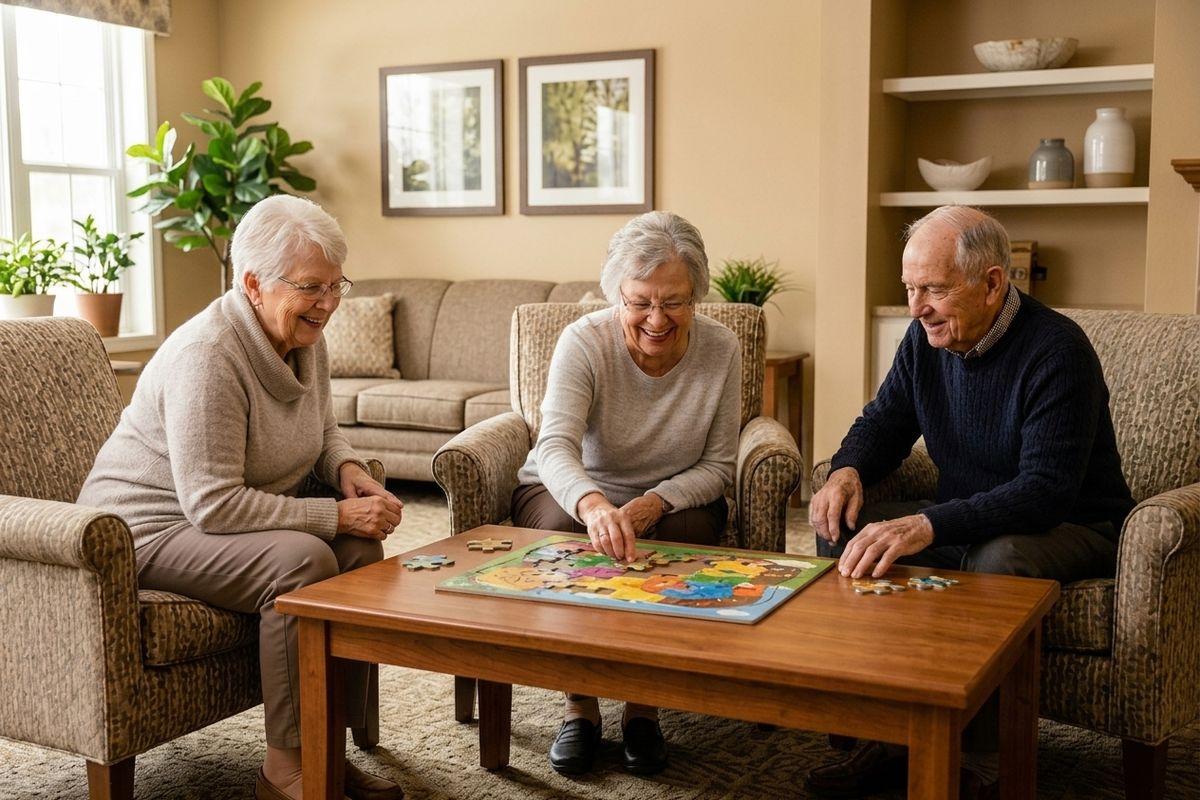
Lifelong learning keeps that curiosity alive, whether it’s trying a new craft, joining a book club, or picking up a hobby that was set aside years ago. Games and puzzles offer a low-pressure way to challenge the mind while having a little fun along the way. There’s no score that matters, just the joy of staying engaged.
Cognitive Activities Especially Helpful for Dementia and Memory Care
For someone living with dementia, familiar routines offer something priceless: a sense of calm and predictability. Repeating comfortable patterns throughout the day can reduce anxiety and help someone feel more grounded and secure in their surroundings. Small consistencies carry a lot of weight.
Sensory activities, like handling familiar objects, listening to meaningful music, or working with soft textures, can reach people even when words become harder to access. These kinds of moments can encourage connection and spark recognition in gentle, meaningful ways. Structured dementia care programs are designed around exactly this kind of thoughtful engagement to help support daily function and quality of life.
How the Right Senior Care Environment Makes a Difference
The environment someone lives in shapes how easy or hard it is to stay active and engaged. Assisted living communities with activity-rich daily programs give residents more ways to fill their days with purpose, not just routine. When opportunities are close at hand, it’s much easier to reach for them.
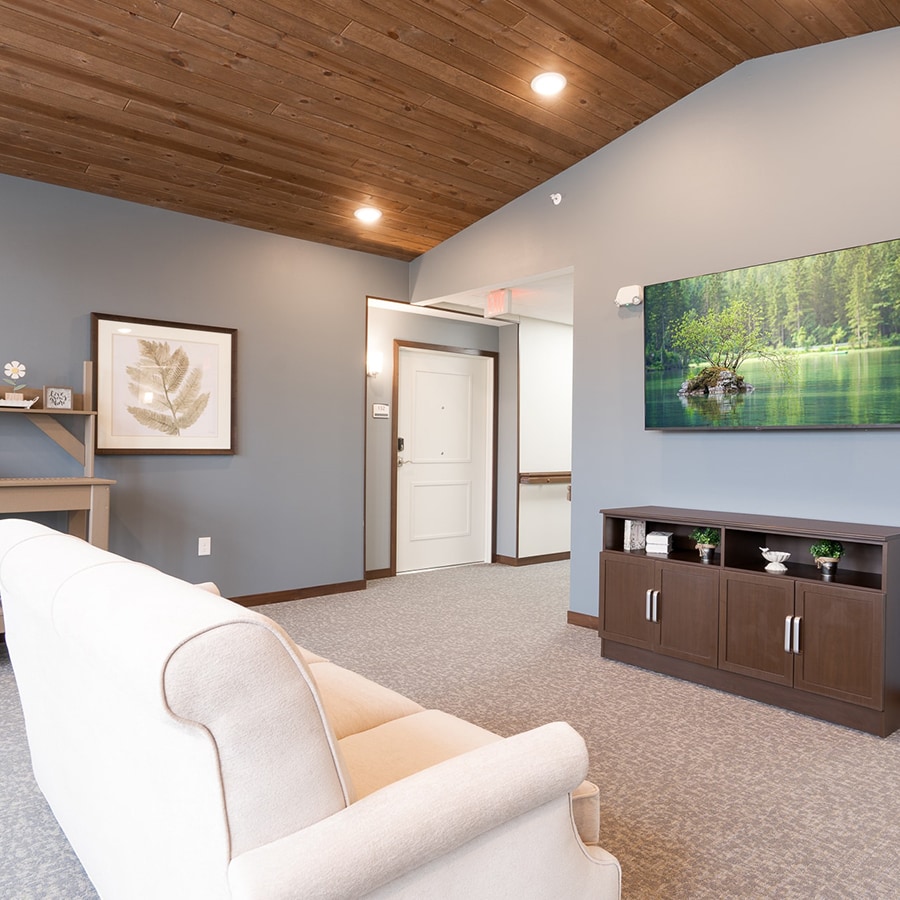
A warm, familiar setting also encourages continued participation. When someone feels at home, they’re more likely to join in, try something new, and keep showing up. Supportive senior care means balancing the help someone needs with the independence they still want and deserve.
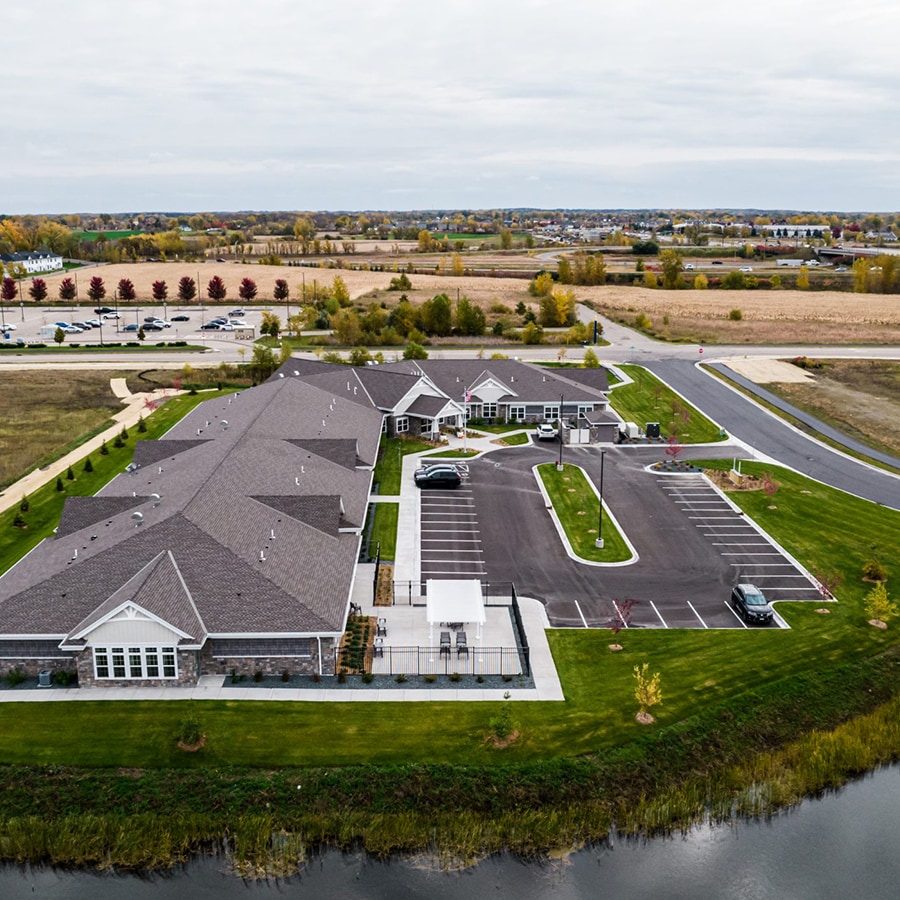
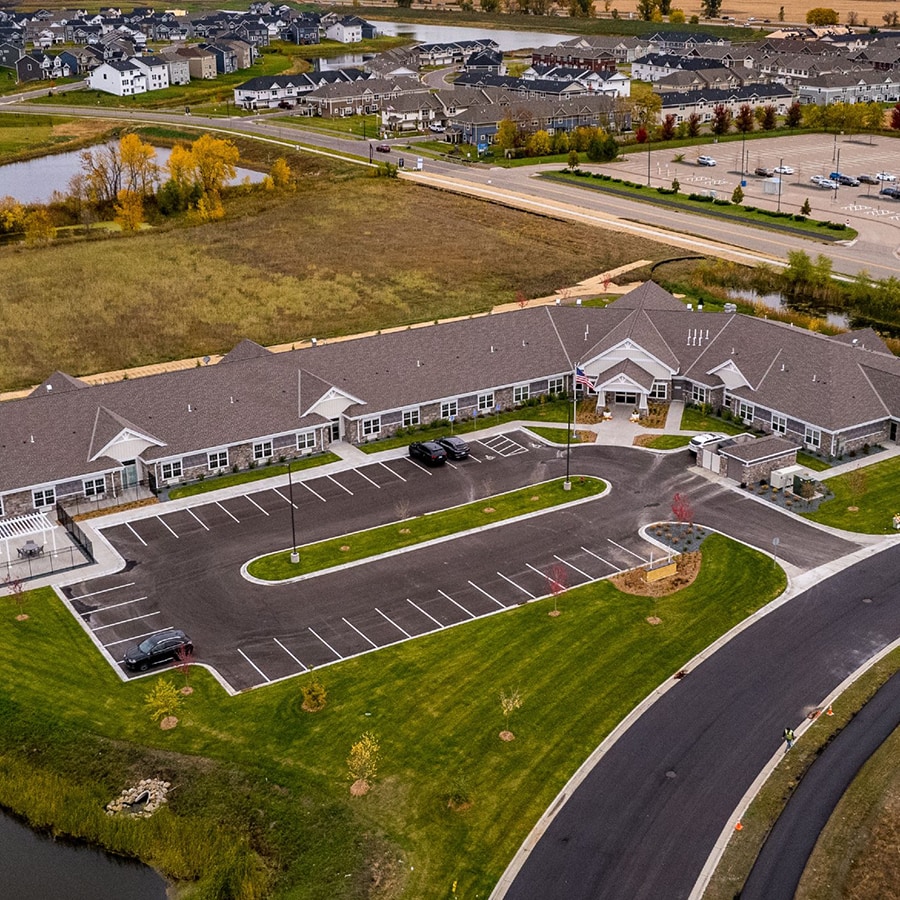
NorBella Senior Living in Centerville, Minnesota, offers assisted living and memory care programs built around this kind of whole-person approach. If you’re exploring options for yourself or someone you love, scheduling a tour can be a wonderful first step toward finding the right fit.